Understanding Internet Recharge Technology
Internet recharge systems form the backbone of modern prepaid telecommunications, enabling millions of users worldwide to maintain connectivity through flexible, pay-as-you-go data services. These sophisticated systems integrate complex billing infrastructure, real-time account management, and network access controls to deliver seamless mobile internet experiences.
The telecommunications industry has evolved significantly from traditional voice-centric services to data-driven ecosystems. Today, internet recharge mechanisms represent a critical component of telecom operations, managing how customers access, consume, and pay for mobile data services without requiring long-term contracts or postpaid arrangements.
📋 Informational Resource Only
This website serves exclusively as an educational platform explaining how internet recharge systems function. We do not provide recharge services, process payments, manage accounts, or offer any telecommunications services. All actual recharge transactions must be conducted through official telecom provider channels.
What You'll Learn
Our comprehensive guides cover the fundamental aspects of prepaid telecommunications technology:
- Recharge System Architecture: Understanding the technical framework that enables prepaid account management and credit allocation across telecommunications networks.
- Prepaid Data Mechanisms: How telecom providers track, manage, and report data usage, including quota systems, throttling protocols, and validity periods.
- Billing Infrastructure: The backend systems processing transactions, maintaining account balances, and interfacing with payment networks for recharge operations.
- Network Integration: How recharge systems communicate with core network elements to authorize data access and enforce usage limits.
Key Concepts in Internet Recharge
The Prepaid Model
Prepaid telecommunications services operate on a forward-payment model where customers add credit to their accounts before consuming services. This approach differs fundamentally from postpaid billing, where services are consumed first and billed afterward. The prepaid model has become increasingly popular worldwide, particularly in regions where consumers prefer flexibility and control over their telecommunications spending.
When a customer initiates a recharge transaction, several interconnected systems work together to credit the account, update balance records, and authorize continued network access. Understanding this process requires familiarity with account management systems, payment gateways, and network provisioning protocols.
Data Quota Management
Modern prepaid data services typically operate within quota systems that allocate specific data volumes for defined periods. These quotas may be measured in gigabytes or megabytes and are tracked by sophisticated usage monitoring systems within the telecom infrastructure. When users consume data through browsing, streaming, or other online activities, these systems decrement the available quota in near-real-time.
Quota management involves complex technical processes including traffic classification, usage aggregation, threshold monitoring, and validity tracking. Telecom providers implement various strategies for quota allocation, including time-based buckets, rollover provisions, and multi-tier structures that offer different data allowances at different price points.
Balance and Validity Systems
Prepaid accounts maintain two critical dimensions: monetary balance and service validity. The balance represents available credit for service consumption, while validity defines the timeframe during which services remain accessible. Understanding how these dimensions interact helps explain why recharges may offer different combinations of data volume, validity period, and included services.
Telecom providers implement grace periods and carry-forward policies that determine what happens when validity expires or balance depletes. These policies vary significantly between providers and service plans, making it important for consumers to understand the specific terms applicable to their accounts.
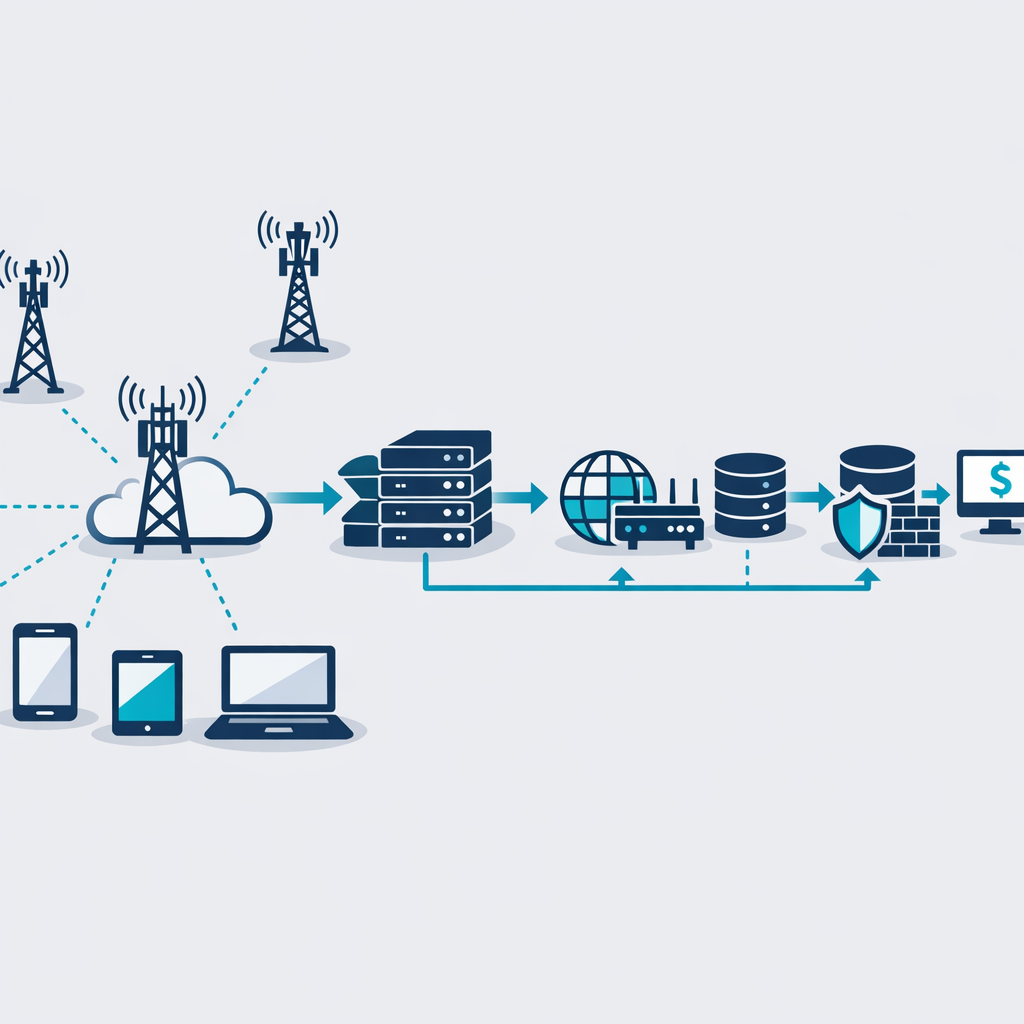 Figure 1: Simplified view of telecommunications recharge system architecture
Recharge Channels and Methods
Telecommunications providers typically offer multiple channels through which customers can recharge their prepaid accounts. These channels have evolved significantly with technological advancement, transitioning from physical scratch cards and dealer networks to digital platforms including mobile applications, online portals, and automated systems.
Each recharge channel interfaces with the provider's billing and account management systems through secure transaction protocols. Understanding these interfaces helps explain the technical processes that occur when a recharge transaction is initiated, regardless of the channel used.
⚠️ Important Notice
This website provides educational information only. We do not offer recharge services or process any transactions. To recharge your mobile internet, please visit official telecom provider platforms or authorized retail locations.